
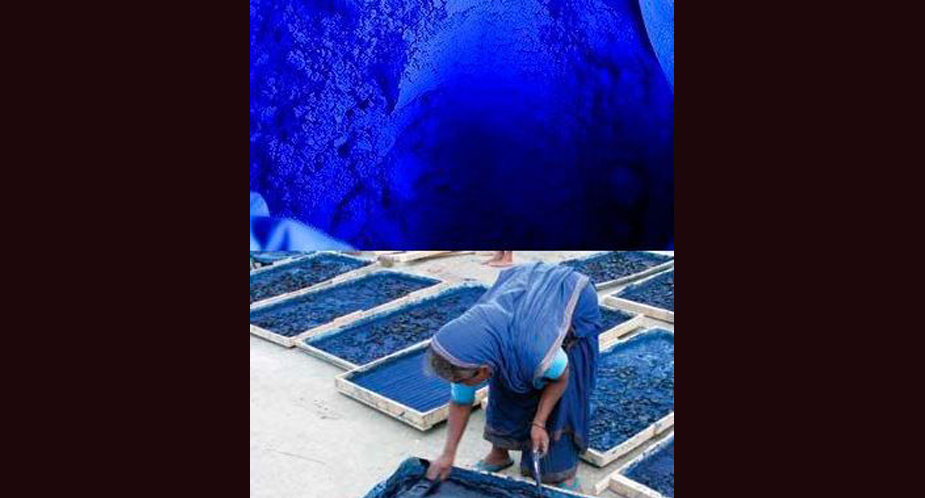
.. historical examples below. Note the consistency in the color regardless of the fabric or yarn used. (Featured: mixing natural indigo dye)
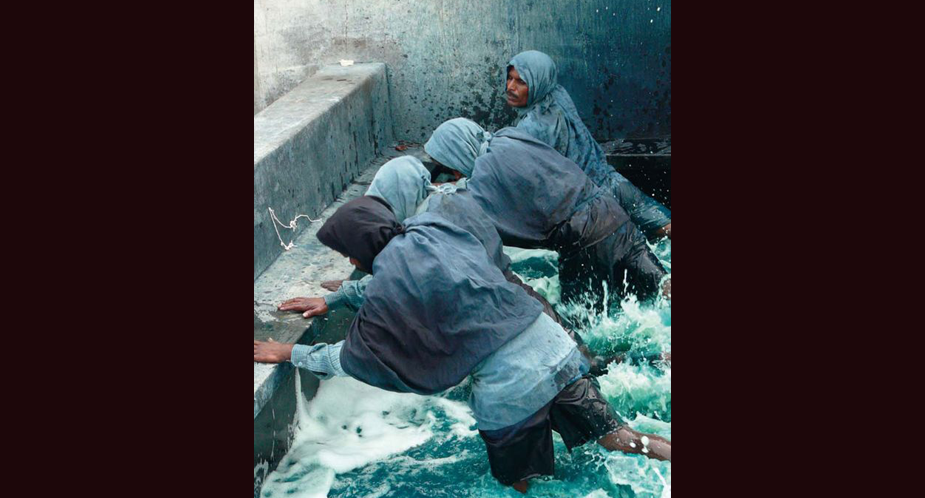
.. historical examples below. Note the consistency in the color regardless of the fabric or yarn used. (Featured: mixing natural indigo dye)
1875-76: Chrysoidine 1st type of Azo dye 1876: Methyl Blue 1877: Malachite Green 1878: Biebrich Scarlet, Pure Red (acid dye as bright as cochineal for the first time) 1878: Synthetic Indigo – marketed in 1897 1900 forward – 1 to 2 new ones introduced each year to present day (Indigo …
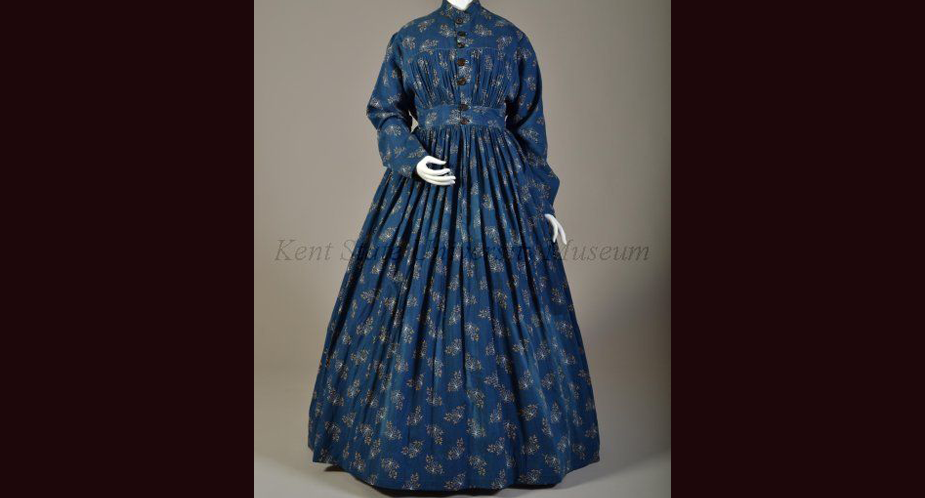
1866: Methyl Violet 1868: Synthetic Madder called alizarin 1872: Methyl Green – still in use today 1873: Sulpher Brown (Photo: 1868 American dyed indigo – natural)
.. includes the new “indigo” which is used for blue jeans today. Most of the aniline dyes were named for war skirmishes in Europe. 1858: magenta by Vergoon 1861: Methylviolet by Lauth 1862: Hofmann’s Violet 1862: Bismarck Brown by Martus and Lightfoot – the first water soluble dye 1863: Black …
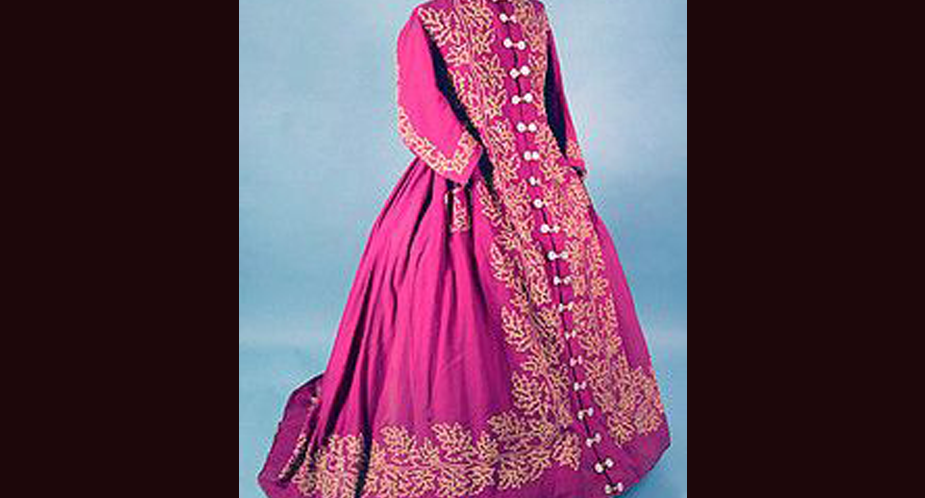
..a few Scottish tweed manufacturers were using exclusively natural dyes in commercial processes. With the synthetics and mass production of the Industrial Revolution, a rising middle class in particular were wanting the affordable and rich colors of the aniline dyes. (Photo: 1860’s wrapper dyed with new synthetic dyes of the …
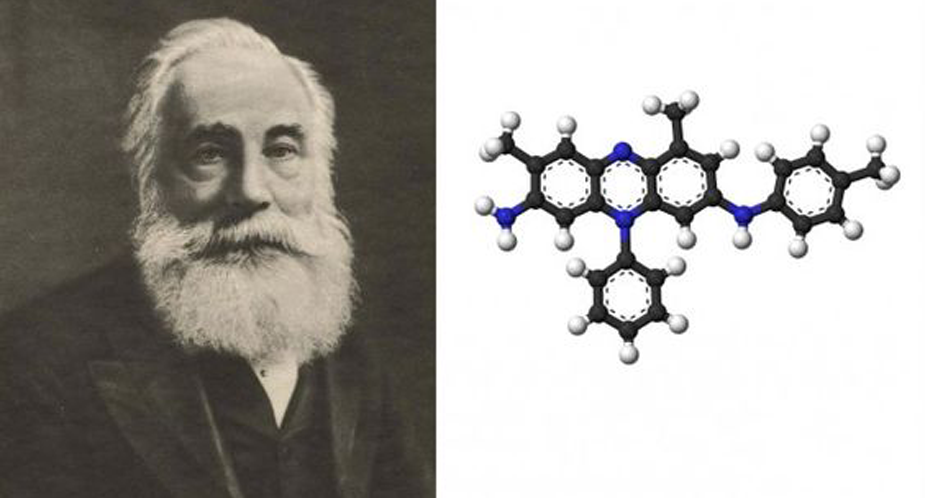
.. was there was a rise in interest in chemistry in the 1870’s. Perkins, who had accidentally discovered the mauve dye “mauviene”, had his own London factory to produce it. From 1858 until the early 1900’s, magenta or fuchsine – two other purplish blue colors – had patents constantly revising …
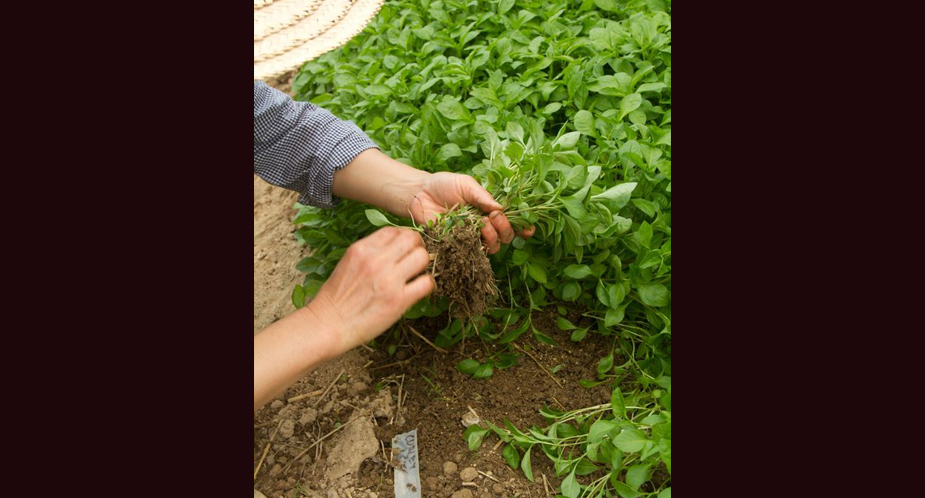
.. was reasonable to produce commercially from the Baeyer “BASF” process of aniline dye. In 1897, 19,000 tons of plant based indigo were being produced, but by 1914 because of the new synthetics, it dropped to 1000 tons, and by 2011 50,000 tons were being produced worldwide. (Photo: the indigo …
.. specifically after that to come up with an aniline equivalent to the plant sourced dye. In 1865 he started, by 1878 he had a first attempt using the chemical “isatin”, and in 1880 he made a 2nd successful attempt using the chemical “2-nitrobenzaldehdye”. In 1883 he finally figured out …
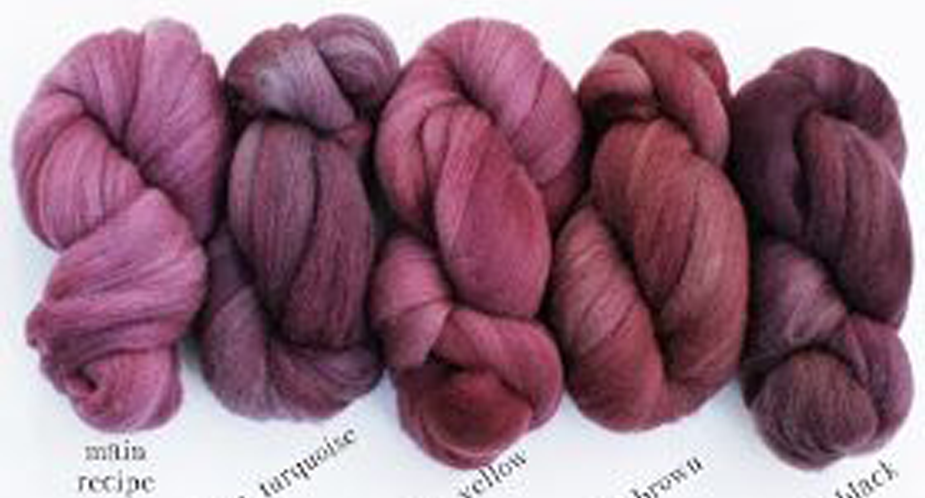
.. who was trying to synthesize the medicine quinine to treat malaria. 18 year old chemistry student William Perkins made a murky residue which was the first aniline (synthetic) dye. It was called mauve, and it was consistent and permanent, unlike natural dyes. (Photo: the first aniline synthetic dye – …
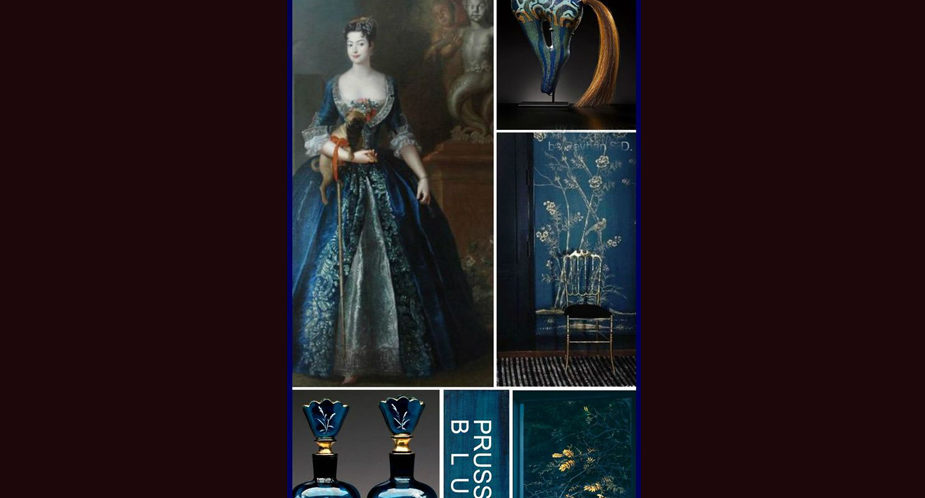
… but the “Prussian Blue” which was made with iron salt and a process using potash plus aniline and bleaching powder made brighter blues than they could grow, so by 1834, they gave up.