
.. known for their green/tan uniforms that they dyed at home late in the war. They used walnut shells and vinegar. (Photo: historic display of “Butternuts”)

.. known for their green/tan uniforms that they dyed at home late in the war. They used walnut shells and vinegar. (Photo: historic display of “Butternuts”)

.. and were historically dyed using natural mordants like lichens and walnut hulls. These are called “Substantive dyes”. (Photo: walnut hulls floating in a modern dye pot)
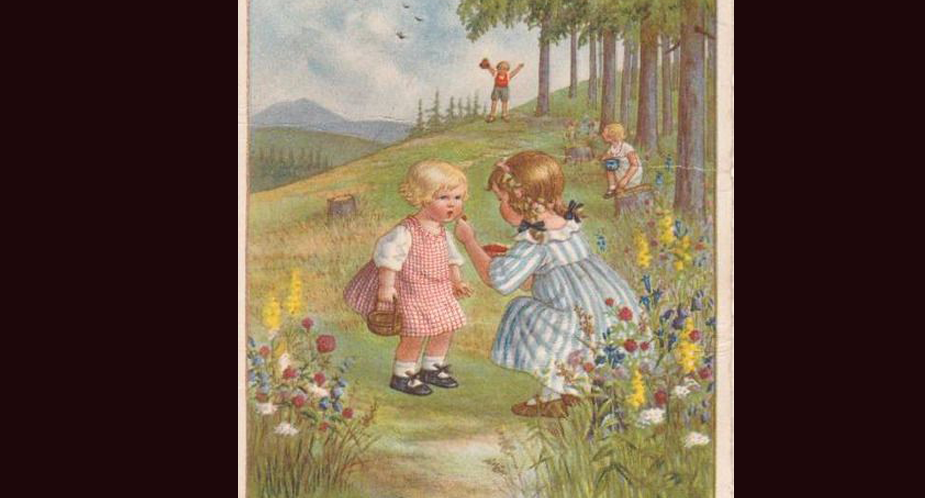
Sharing Easter and Passover greetings with our friends of Christian and Jewish faith across the US and around the world. Happy Springtime northern hemisphere! (Antique Easter Card reads “Fermez les yeux. Ouvre la bouche.” (Close your eyes. Open the mouth))
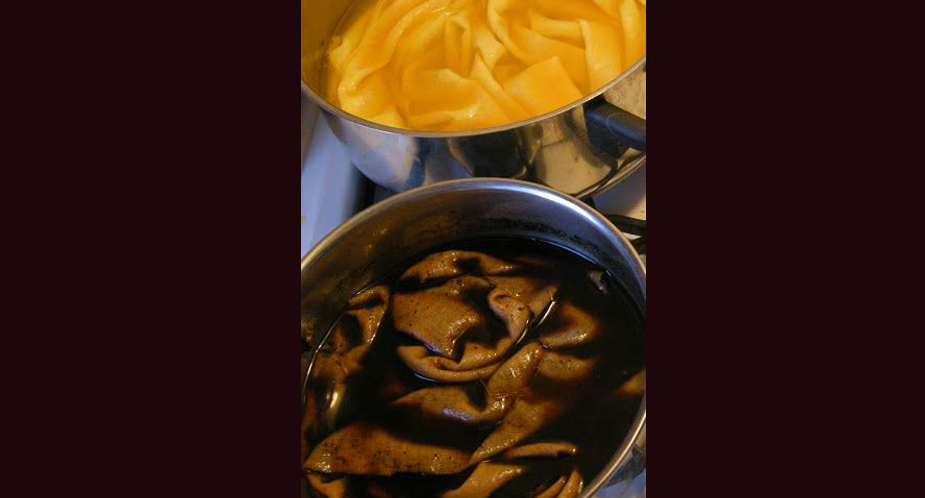
… is important because a “mordant” will change the chemistry between fabric and dye, and a brass, copper, or iron pan will alter the chemistry in the dye. Enamel is preferred for dying. (Photo: container makes the difference. Dying in stainless steel)
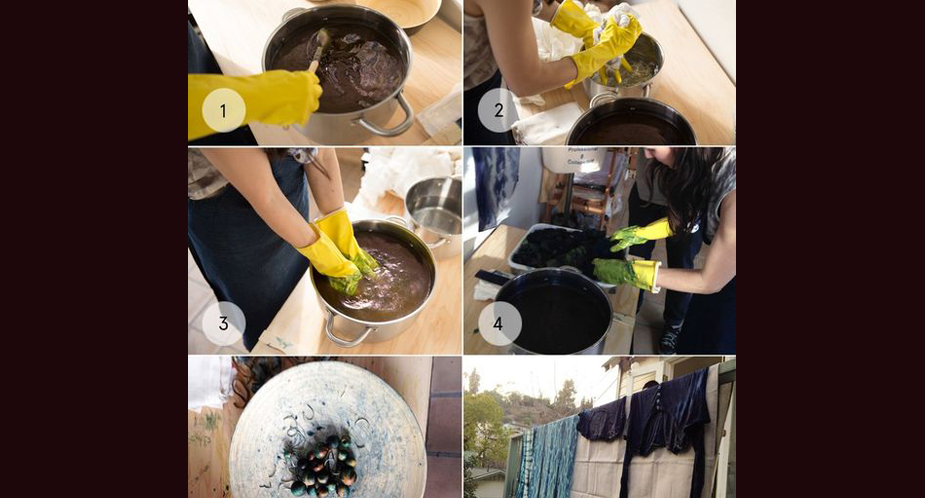
Historically and in modern times, when a fabric is to be dyed a color, it was either dipped into the dye, or the dye was applied to the fabric (like Indian “batik”). Many fabrics like cotton need a chemical aid to make the dye adhere and stay. A “mordant”, called …
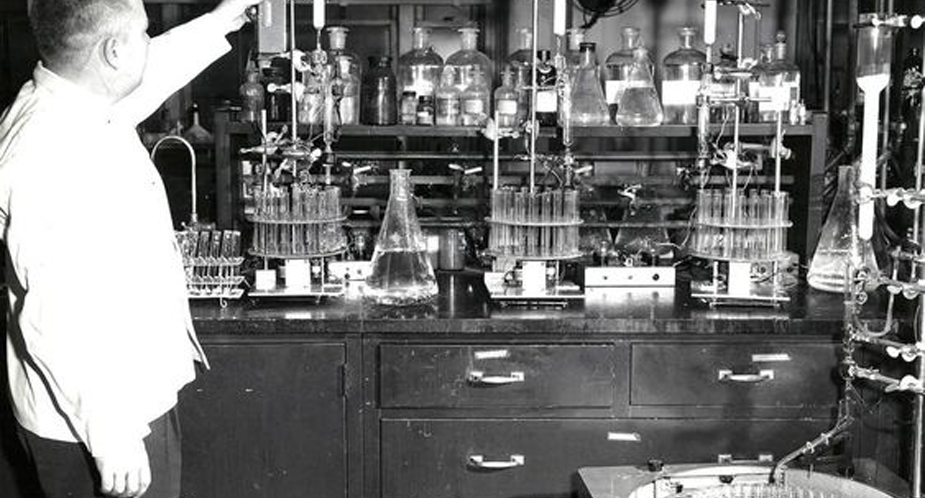
.. in the development of dyes under the leadership of August Wilhelm von Hoffman of Germany at the Royal College of Chemistry in England in 1845. He trained chemists including William Perkin who accidentally discovered the first synthetic dye called “mauve”. While “mauve” was only popular a short while, it …
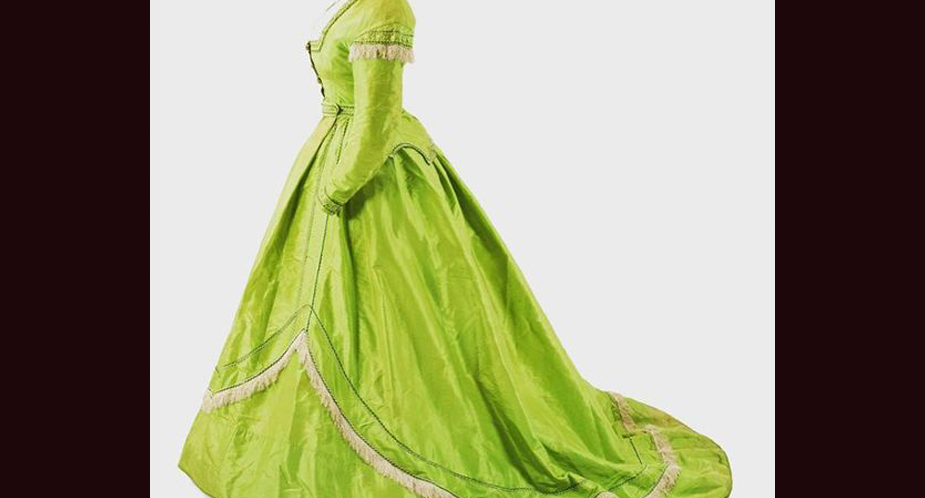
… like “Scheele’s Green” which was made with arsenic, and killed the wearer or anyone who breathed in, touched, or came near a dress, shoes, gloves, flowers, or anything dyed with it. (Photo: 1860’s “Arsenic Green” day dress)
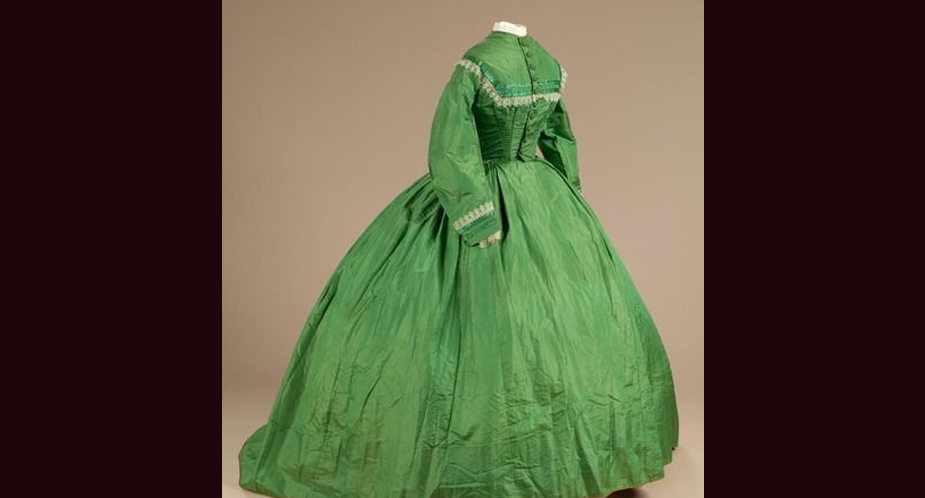
… because it was during the 1850’s that they were developed. The textile industry at the time was booming, and the increased demand for cost effective, easy to produce and replicate and apply dyes were in great demand. The economic limitations in growing, gather, harvesting, and processing natural dyes on …
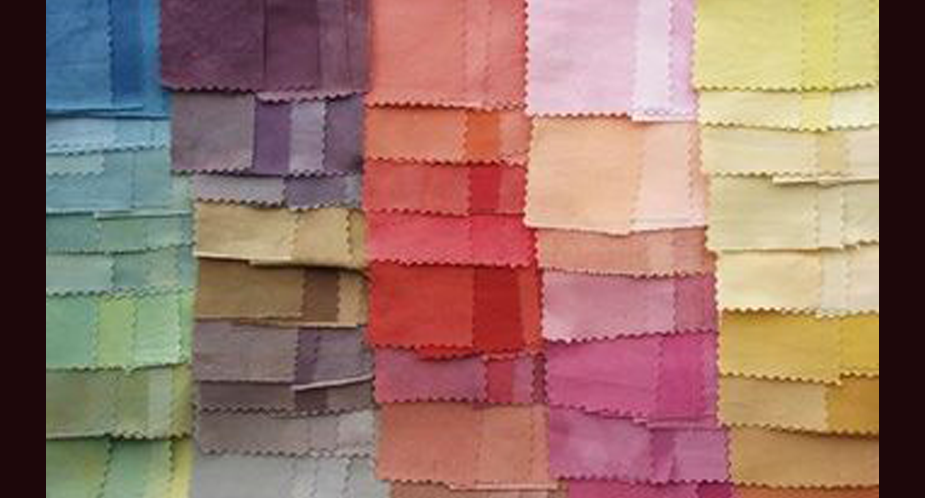
.. different tints or shades of a particular color. For example, magnesium mordants made and make alizarin dyes have a purple hue. (photo: natural dye variety on cotton with alum mordant)
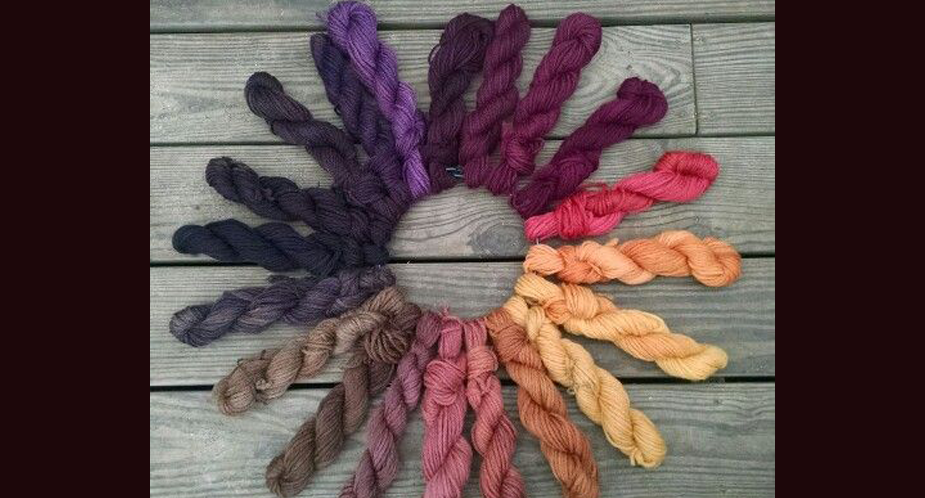
..we have been discussing the development of synthetic dyes that started somewhat accidentally from the search for a cheaper way to make indigo than growing plants. With the rise of the new synthetic dyes, came the ability to adjust color of natural or synthetic dyes with the use of chemicals …