
.. exporter of cochineal dye, with the Canary Islands second, producing 200 tons in 2005. (Drawing: St. Jerome’s Cardinal’s robes in 1485 were dyed with cochineal)
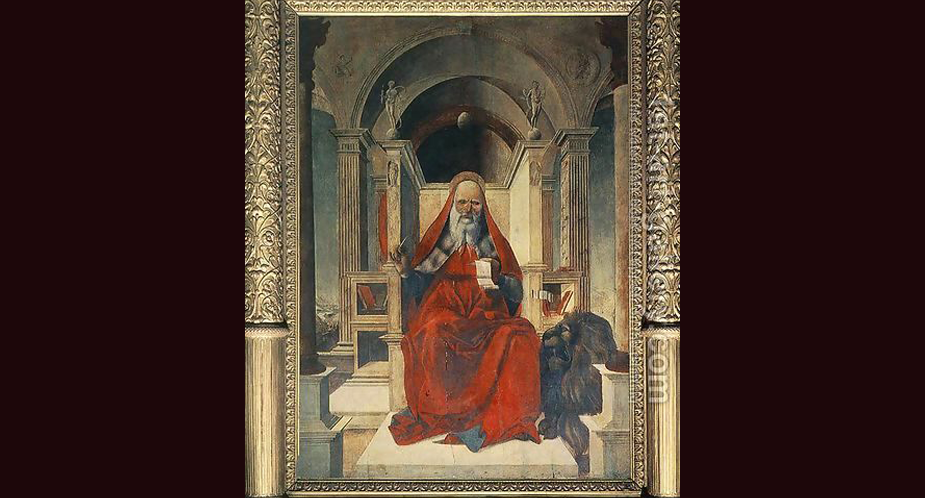
.. exporter of cochineal dye, with the Canary Islands second, producing 200 tons in 2005. (Drawing: St. Jerome’s Cardinal’s robes in 1485 were dyed with cochineal)
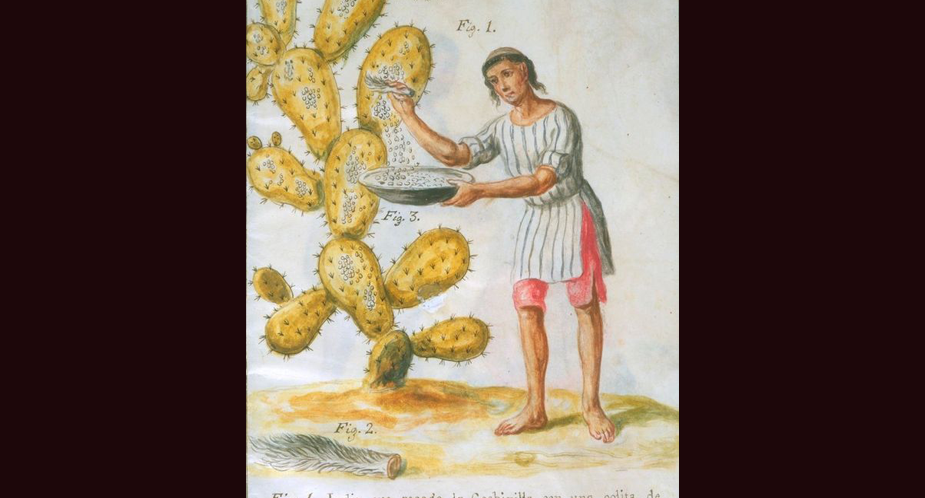
.. because it comes from nature. The cochineal bug is native to tropical or subtropical America. In the 1500’s the Aztecs of South America dyed fabrics with cochineal which was vibrant and retained its color. (Ancient sketches show cochineal being collected for dye)
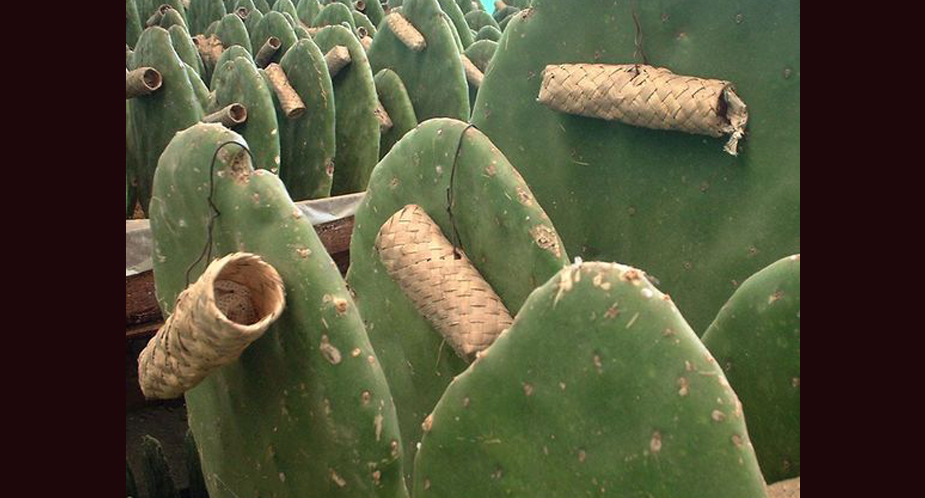
… insect that is found on cactus. Entomologists call it a “true bug” as opposed to beetles with which some “bugs” are confused by the public. Mexicans call it “tuna blood” which is a loose translation for the spanish name for the cactus plant the bug is found on. (Photo: …
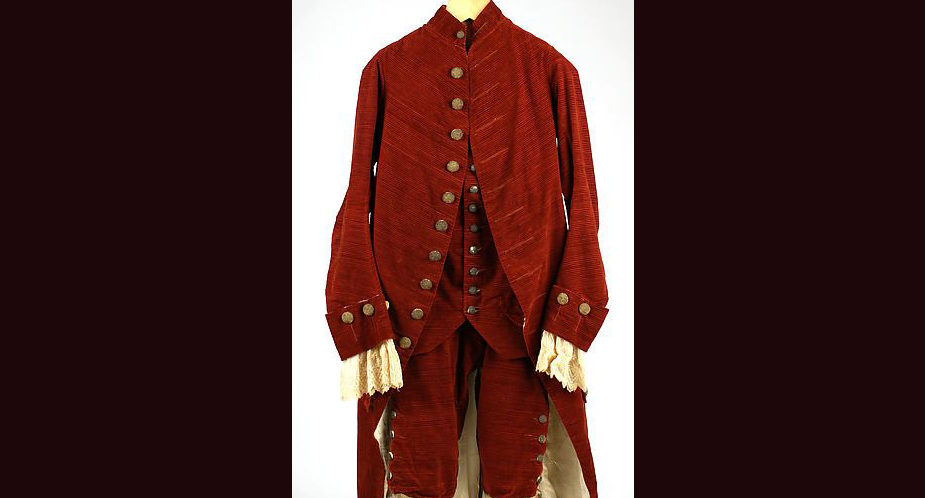
… coccineal. We mentioned it in our overall history from B.C. through the scarlet robes of the Church, and into the Revolutionary War. What were those British Red Coats wearing? (Answer: red coats made of wool and dyed with coccineal)
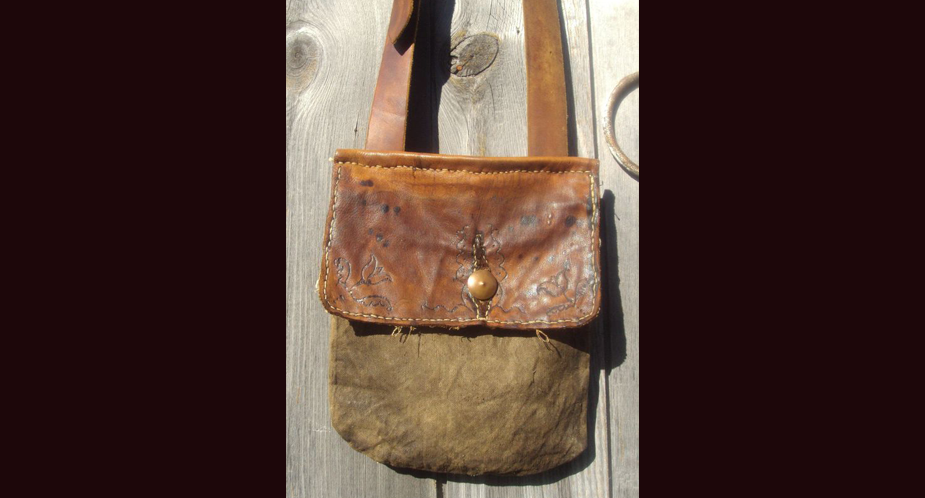
.. are used by crafters for things like this leather bag dyed with walnut, or historic interpreters, and are rarely used for commercial purposes. The search, collection, and processing of natural dyes is cost prohibitive and it’s a lot easier to use dye from a chemistry lab since today’s synthetics …
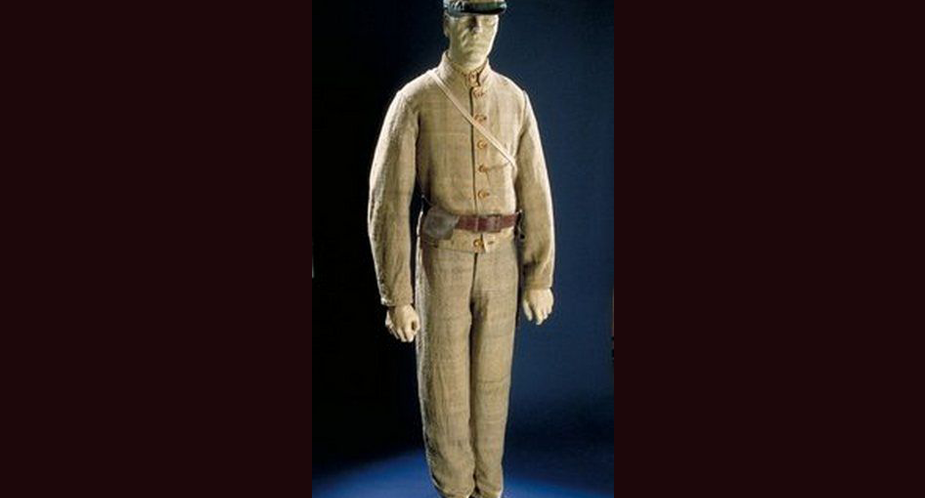
… uniforming in the Civil War. The “Butternuts” division were homespun and home dyed.
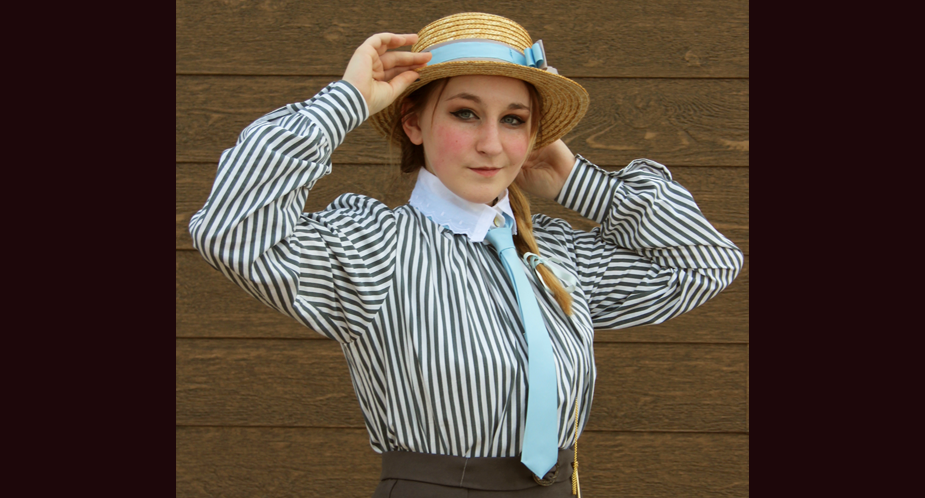
…19 ensembles in the Buffalo Gals’ historic fashion show about pioneering women at the Powell Homesteaders Museum fundraiser “Tea and Tables” event. Tickets for lunch and show $30, and there’s a sales boutique too. Only 128 seats available, and it always sells out by the week before. Call Marybeth …
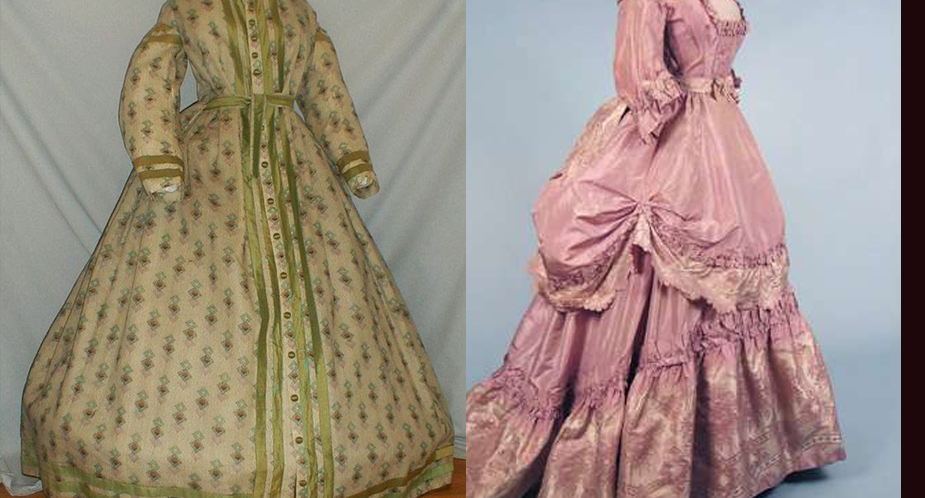
.. is that when one studies museum extant examples of American made garments, particularly of children’s clothing and women’s formal wear, one’s first supposition is that everyone wore tan or beige. This is wrong. There was used commercially at the time a natural dye in America that made a bright …
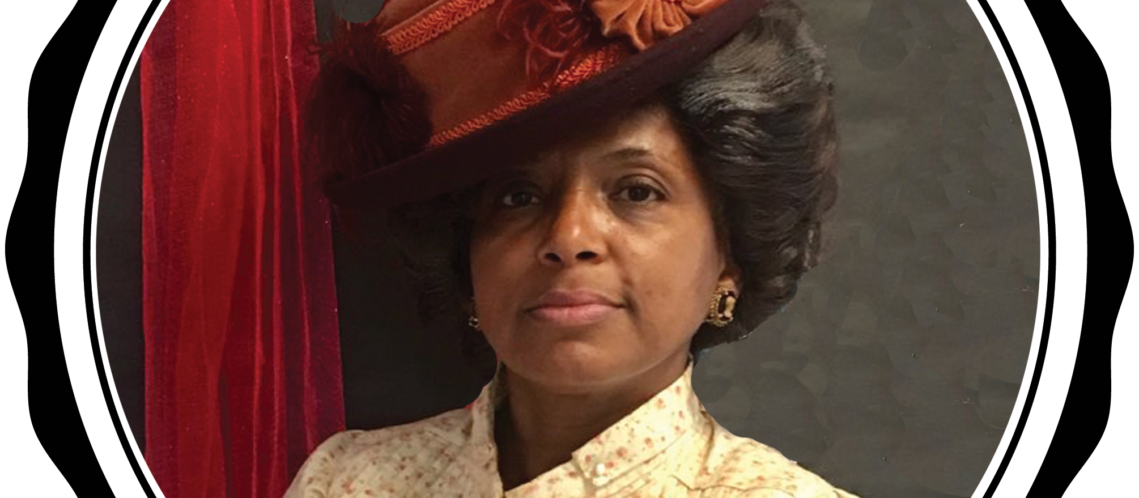
“We tipped a cup of tea for freedom to you today. It was attended by famous suffragettes and abolitionists including Susan B. Anthony, Elizabeth Cady Stanton, President Lincoln, Frederick Douglass, Soujourner Truth, Harriet Tubman, and the baby of the bunch – Ida B. Wells.” Dr. Anderson teaches her students about …
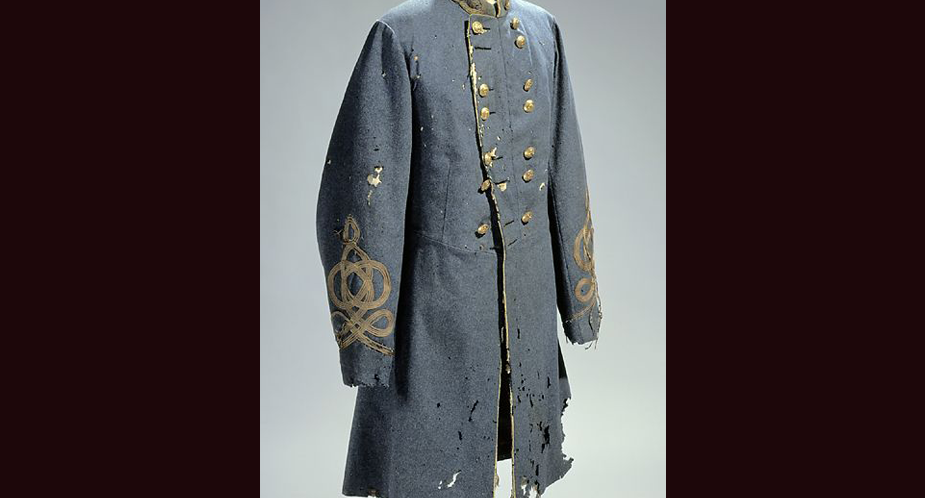
…indigo, the natural plant based kind. Interestingly, at the time of the Civil War, indigo was only grown in the south. It would merit research to study the trade and value during the War of dyes to make uniforms for both sides. We assume the gray of the South and …