
… worldwide only later in the 1890’s. By 1906 everyone was wearing them. (Photo: 1906 Maori women making a political statement on behalf of the now well accepted Reform movement by wearing “Knickerbockers” as their sports and school uniform)
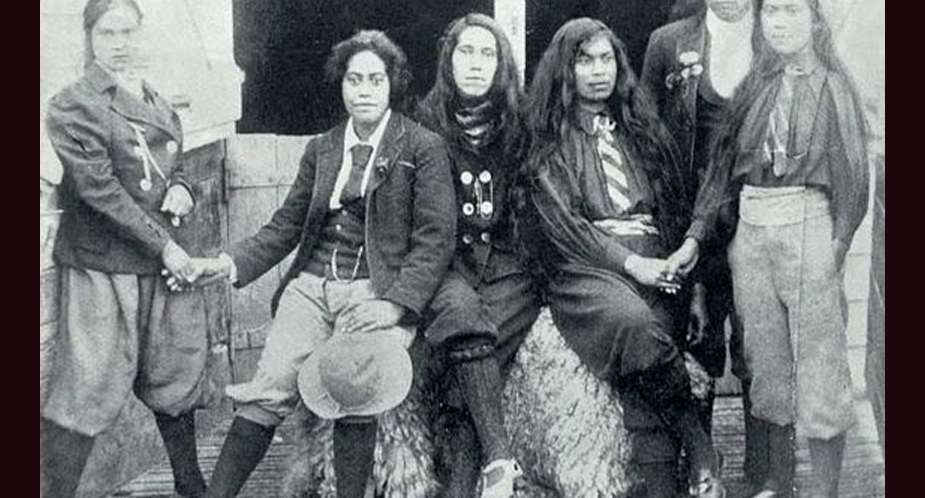
… worldwide only later in the 1890’s. By 1906 everyone was wearing them. (Photo: 1906 Maori women making a political statement on behalf of the now well accepted Reform movement by wearing “Knickerbockers” as their sports and school uniform)
Come to Cody Wyoming and see “The Buffalo Gals” in beautiful ensembles with period music and historic backgrounds!
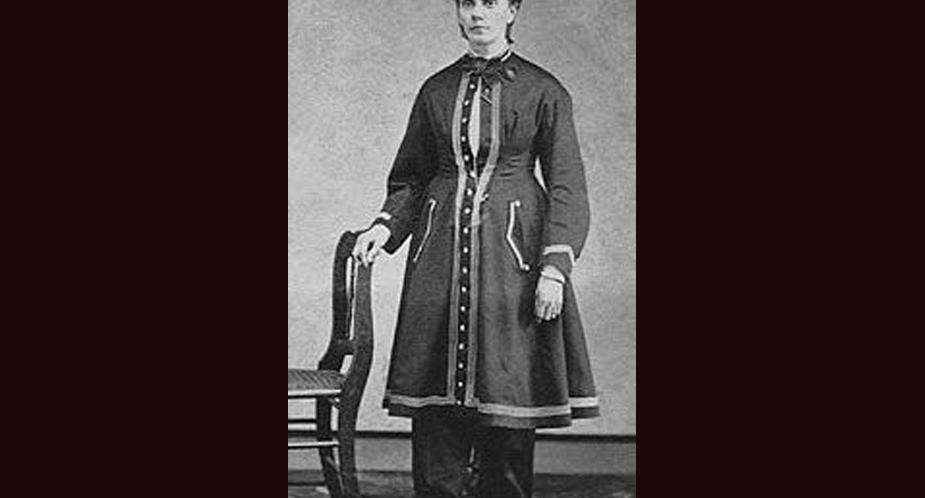
In the Early Victorian era, there arose American Mrs. Amelia Bloomer who caused quite a stir when she wrote and article in her feminist publication “The Lily” promoting the idea of women abandoning their petticoats and corsets for a “bi-furcated garment” later called “Bloomers”. Mrs. Bloomer had seen trousers worn …
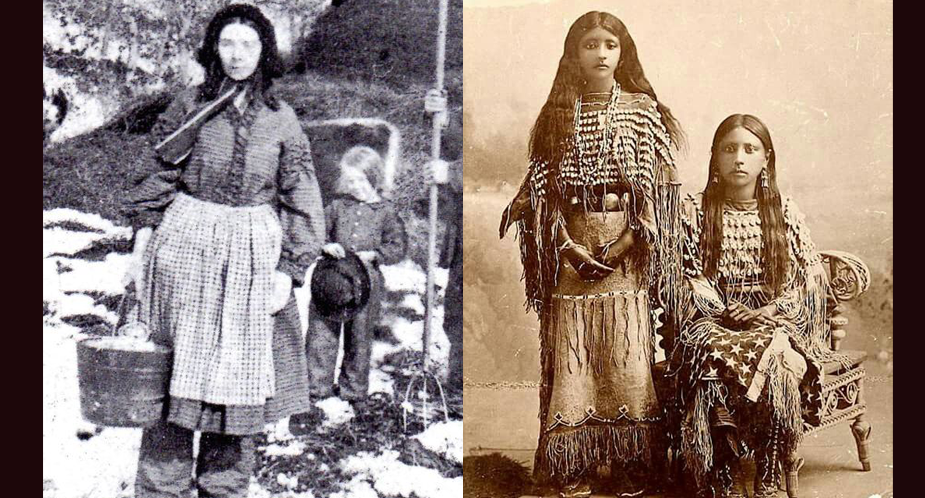
… for women in cold climates, harsh conditions, or places far away from those who would judge them on the basis of being fashionable. While the Reform Movement and Reformers were making a political statement regarding the status of women, and a charge against corsets and fashion as being unhealthy, …
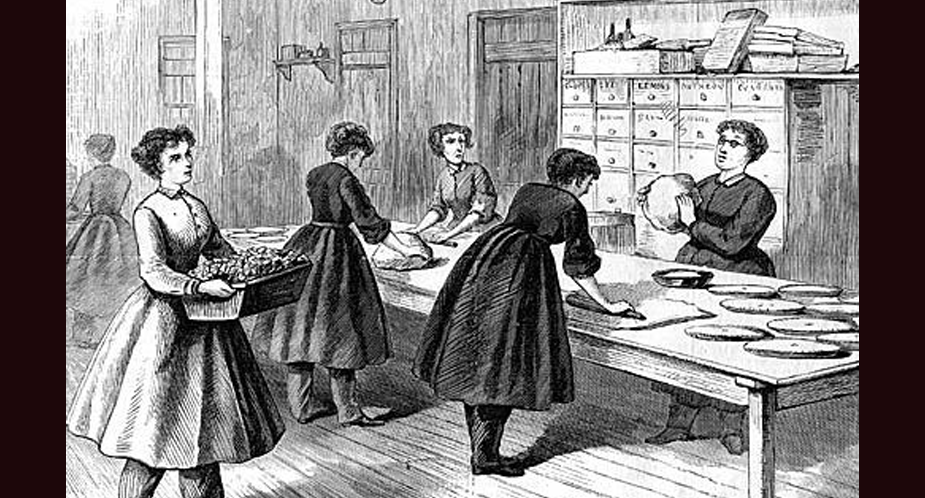
.. frilly trousers that reached to the ankle. They were cuffed and worn with a simple knee length skirt and bodice. Mrs. Bloomer thought it sensible and hygienic compared to boned fashion bodices and long weighty skirts. The “bloomer” outfit was worn by a minority which included the Rational Dress …
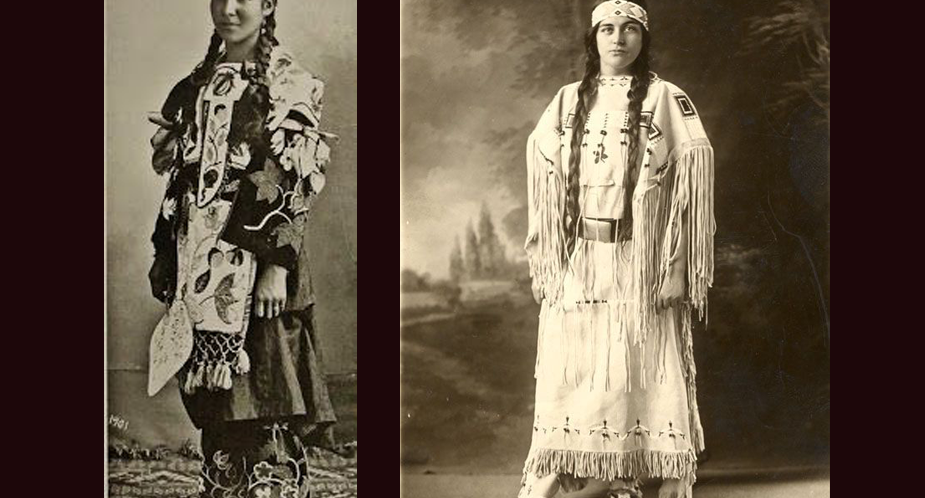
… It had been discussed by female political idealists in France during the French Revolution, and American women (following the French at the time) liked the idea of wearing “trousers”. They had seen indigenous tribes wearing them. With the concept of a new country where both genders worked hand in …

… the objective of the Victorian “Dress Reform Movement” which was also called the “Rational Dress Movement”. Reformists were mostly middle class women involved in the first wave of feminism in the United States and Britain from the 1850’s through the 1890’s, but it persisted into the next century. The …
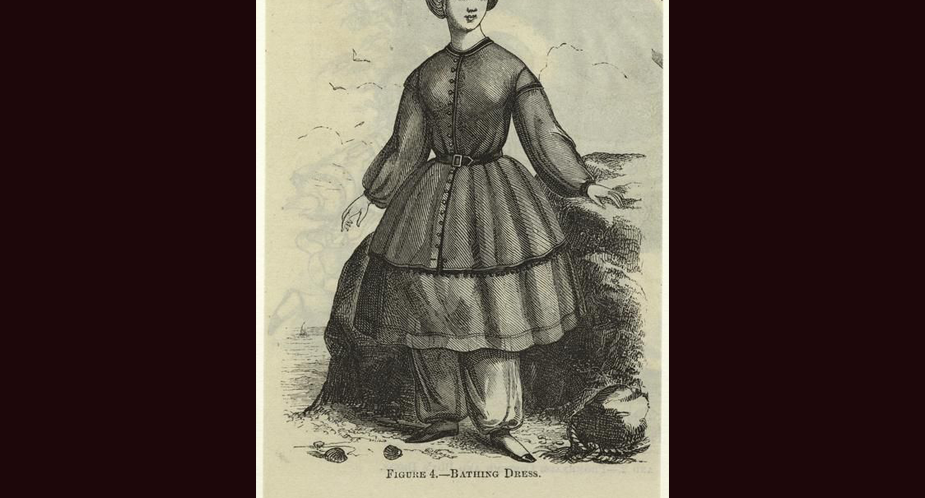
.. but in the latter part, so is typically associated with the next, Edwardian Era. It actually began in the 1850’s, but was not notable until many years later. “Reform” clothing was directed by medical professionals and health care providers. It included items such as bloomers, loose fitting corsets, natural …
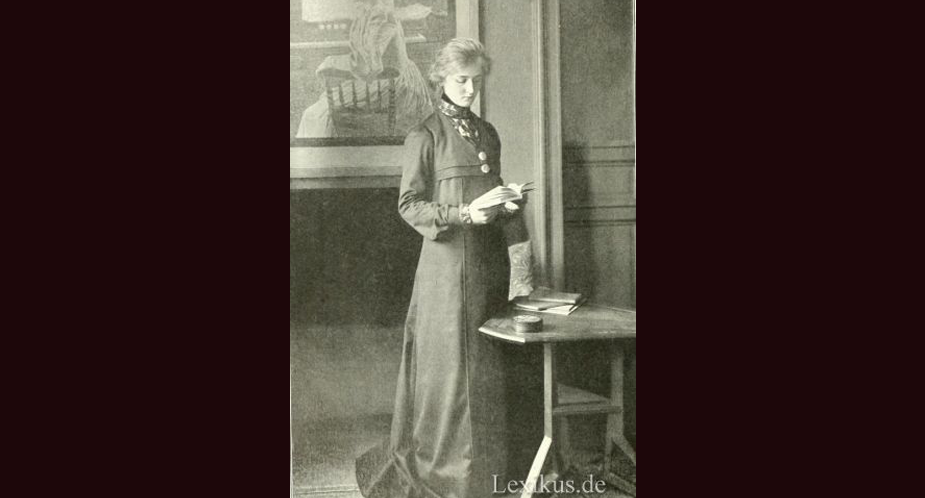
The Aesthetes were dedicated to comfortable and sensuous clothing for women, but it was based on artistic principles, symbolic themes, and art forms of previous eras. This second type of “counter fashion movement” to the highly structured and dictated costume of Queen Victoria, the 2nd type of reform in dress …

.. this is the last).